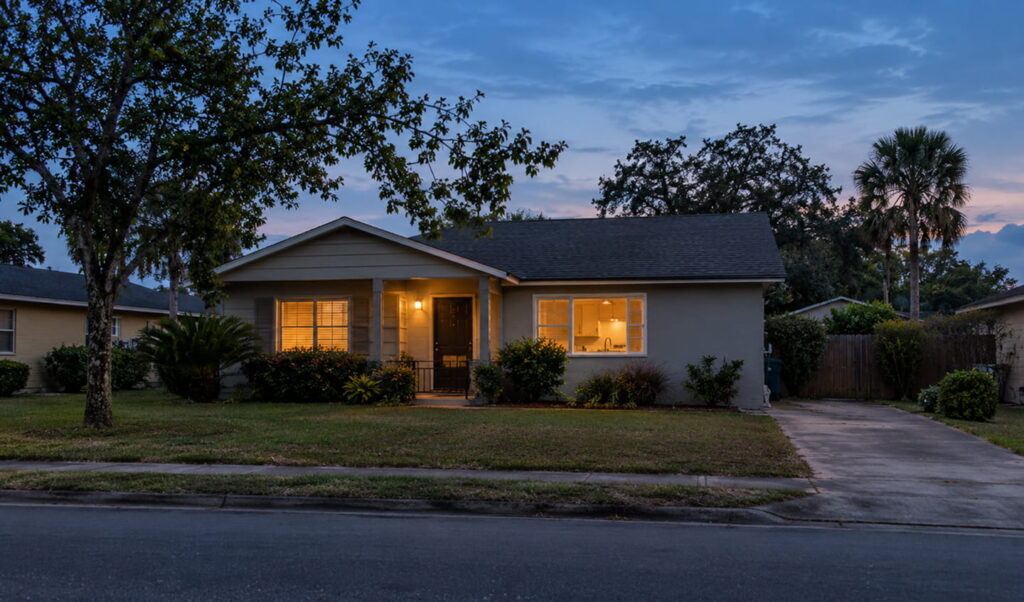

Thinking about moving from Chicago to Jacksonville?
In most cases the move means a lower median home price, no state income tax, and a sale-and-purchase that one agent can coordinate on both ends. The trade-offs to budget for are higher homeowners insurance and, in newer communities, CDD fees. Plan the two transactions as one and the timeline gets a lot less stressful.
This guide walks through the move the way I’d map it out with a client, step by step, so you know the numbers and the order of operations before you list your Chicago home.
Table of Contents
Why so many Chicagoans are looking south
You’re in good company. According to the U.S. Census Bureau’s Vintage 2024 population estimates, Illinois lost a net of about 56,000 residents to other states between 2023 and 2024, one of the largest domestic out-migrations in the country, and Florida ranks among the top destinations.
The pull is straightforward: Florida has no state income tax, while Illinois levies a flat 4.95%. Add warmer weather and the First Coast’s beaches, and the math gets attention. The key is going in with the full picture, including the costs that work the other way.
Step 1: Get a real number on your Chicago home
Before you shop in Florida, you need to know what you’ll actually walk away with in Illinois. That’s your net proceeds, not your sale price.
In Chicagoland, the figure has to account for transfer taxes from the state, Cook County, and the City of Chicago, plus the attorney-review process Illinois sales run through. A net-proceeds sheet pulls all of it together so you know your real budget for the next home. You can read more about the sell side on the Chicago real estate guide.
Step 2: Set your Jacksonville budget
Step 2 is where the move usually pays off. As of May 2026, the City of Jacksonville’s median sale price was roughly $300,000, while the City of Chicago’s was about $380,000, according to Redfin city-level data.
| Chicago (city) | Jacksonville (city) | |
|---|---|---|
| Median sale price (May 2026, Redfin) | ~$380,000 | ~$300,000 |
| State income tax | 4.95% flat | None |
| Effective property tax | Among the highest in the U.S. (~1.9%) | Generally lower |
Figures are representative and vary by neighborhood and source. Property-tax comparison per Tax Foundation 2026; prices per Redfin (May 2026).
Two costs work against the savings, so build them in from day one:
- Homeowners insurance. Florida has among the highest average premiums in the country, driven by storm risk, roof age, and flood zone.
- CDD fees. Newer planned communities often carry a Community Development District assessment on the tax bill. It can add roughly $100 to $300 a month and won’t show in the list price. See What are CDD fees?
Step 3: Coordinate the two closings
This is the step that goes wrong when two separate agents are involved. Your Chicago sale and your Jacksonville purchase need to line up, ideally with the sale funding just before the purchase closes.
A typical coordinated move runs on one timeline:
1. Weeks 1–2: Price the Chicago home and set your real Jacksonville budget from expected proceeds.
2. Weeks 3–8: List and show in Chicago; tour Jacksonville in person or by video and write offers structured around your sale.
3. Weeks 8–12: Negotiate the Chicago closing date to fit the Jacksonville purchase, then close back-to-back.
Because I’m licensed in both Illinois and Florida, I can run both sides as one project instead of handing you off to a stranger. The full process lives on the relocation guide.
Step 4: Know what’s different at the closing table
Florida does a few things differently than Illinois, and none of them are hard once you know to expect them.
- Who runs the closing. Illinois sales customarily involve attorneys and an attorney-review window. Florida typically closes through a title company instead.
- The paperwork rhythm feels a little different, but the destination is the same.
Step 5: Claim your Florida homestead exemption
Once Jacksonville is your permanent residence, this is a real tax win worth handling promptly.
Florida’s homestead exemption removes up to $50,000 of assessed value from a primary residence, and the Save Our Homes provision then caps annual assessment increases at 3%, or the change in CPI if lower (2.7% in 2026). Apply through the Duval County Property Appraiser, generally by the March 1 deadline for that tax year.
One catch for out-of-state movers: you can’t “port” tax savings from Illinois. Florida’s portability benefit only transfers between Florida homes, so your Jacksonville assessment starts fresh. Confirm the details with the county appraiser or a tax professional for your situation.
Chicago-to-Jacksonville move FAQs
How much cheaper is Jacksonville than Chicago?
It depends on the neighborhoods you compare, but May 2026 city-level medians put Jacksonville roughly $80,000 below Chicago (about $300,000 vs. $380,000, per Redfin). Add no state income tax, and the monthly picture often improves further, though higher insurance offsets part of it.
Do I have to sell my Chicago home before I buy in Jacksonville?
No. Selling first, buying first, bridge financing, and sale-contingent offers all exist. The right order depends on your equity and risk tolerance, which is exactly what the planning call sorts out.
How long does the move usually take?
A coordinated sale-and-purchase commonly runs about 8 to 12 weeks, though it varies with both markets. Lining the closings up is the part that protects you from a double move.
Do I need a Florida agent and a separate Illinois agent?
Not if you work with one agent licensed in both. I handle the Chicago sale and the Jacksonville purchase as a single plan, with one point of contact.
Ready to map your move?
A Chicago-to-Jacksonville move works best when the sale and the purchase are planned together from the start, with the real numbers, taxes, and carrying costs on the table early. Get those right and the rest is logistics.